
Quick Answer:
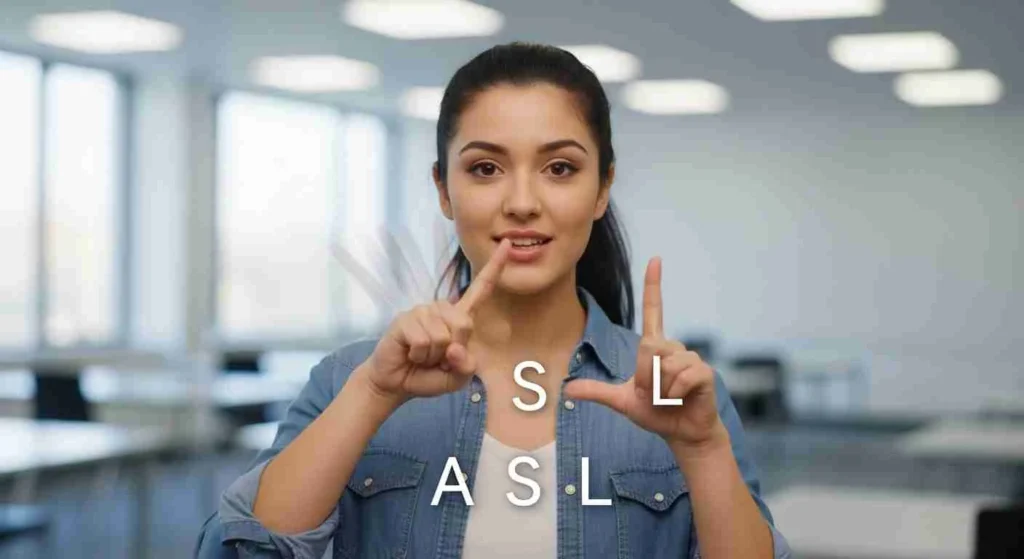
ASL in text usually means Age, Sex, Location? It is commonly used in online chats to quickly ask someone about basic personal details. In some contexts, ASL can also mean American Sign Language, depending on the conversation.
In texting and online messaging, abbreviations help people communicate faster. One abbreviation that often causes confusion is ASL. Many people see it in chats, social media comments, or gaming platforms and wonder what it stands for. The meaning of ASL depends entirely on context, tone, and platform.
This detailed guide explains what ASL means in text, its origin, different meanings, examples, comparisons with similar slang, safety considerations, FAQs with answers, and a clear conclusion.
Understanding the Meaning of ASL in Text
ASL most commonly stands for Age, Sex, Location? It is a quick way to ask someone for basic personal information during an online conversation.
The three words represent:
- Age – How old are you?
- Sex – Are you male or female?
- Location – Where are you from?
It is usually written as a question, like this:
ASL?
It is short, direct, and often used at the beginning of online conversations.
However, ASL can also mean American Sign Language, especially when the discussion is about communication, education, or the deaf community.
Context determines which meaning is correct.
Origin and History of ASL
The abbreviation ASL became popular during the early days of internet chat rooms in the 1990s and early 2000s.
Chat Room Culture
In platforms like AOL chat rooms, Yahoo Messenger, and MSN Messenger, users often talked to strangers. ASL became a fast way to gather basic information about the person they were chatting with.
Instead of typing full sentences like “How old are you and where are you from?” users simply typed:
ASL?
This shorthand quickly spread across internet communities.
Modern Usage
Today, ASL is less common than it once was, but it still appears in:
- Gaming chats
- Social media messages
- Meme culture
- Casual texting
It is often used jokingly or ironically because it feels nostalgic.
ASL as Age, Sex, Location Explained
When ASL means Age, Sex, Location, it is usually used at the beginning of a conversation.
Example one
Person A: Hi
Person B: ASL?
Tone
Direct and curious
Example two
ASL 21 F Texas
Tone
Neutral and informative
Example three
Someone uses ASL jokingly in a meme
Tone
Playful or nostalgic
Because it asks for personal information, ASL can sometimes feel intrusive depending on the situation.
ASL as American Sign Language
In educational or professional discussions, ASL often means American Sign Language, the primary sign language used in the United States and parts of Canada.
Example one
I am learning ASL in college
Tone
Educational
Example two
She communicates using ASL
Tone
Respectful and informative
In this context, ASL has nothing to do with Age, Sex, or Location.
Context Matters How to Know the Right Meaning
To understand ASL correctly, consider:
- The topic of conversation
- The platform being used
- The tone of the message
- The age group of users
If someone types ASL? in a casual chat, they likely mean Age, Sex, Location.
If someone discusses classes, communication, or accessibility, ASL likely means American Sign Language.
Safety Considerations When Someone Asks ASL
Because ASL asks for personal details, it is important to be cautious, especially online.
Important tips:
- Do not share personal information with strangers
- Avoid giving exact locations
- Be careful in gaming or anonymous chat rooms
- Trust your instincts
Online safety is always more important than responding quickly.
Comparison With Similar Text Abbreviations
| Abbreviation | Meaning | Difference From ASL |
|---|---|---|
| ASL | Age, Sex, Location | Requests personal info |
| WYD | What You Doing | Casual conversation starter |
| HMU | Hit Me Up | Invitation to message |
| IDK | I Don’t Know | Expresses uncertainty |
| TBH | To Be Honest | Expresses honesty |
ASL is more personal compared to most texting abbreviations.
Alternate Meanings of ASL
Although rare in texting, ASL may also stand for:
- Above Sea Level
- As Hell in slang usage
- Age and Service Length in professional contexts
However, in casual text conversations, the two main meanings remain Age, Sex, Location and American Sign Language.
Polite Alternatives to ASL
Instead of using ASL, people today often ask more natural questions such as:
- How old are you?
- Where are you from?
- What brings you here?
These sound friendlier and less abrupt.
FAQs
- What does ASL mean in text messages?
ASL usually means Age, Sex, Location when used in online chats. - What does ASL stand for on social media?
It typically stands for Age, Sex, Location, but can also mean American Sign Language. - Is ASL still commonly used?
It is less common today but still appears in gaming chats and memes. - Is it safe to answer ASL questions online?
Be cautious and avoid sharing detailed personal information with strangers. - Can ASL mean American Sign Language in text?
Yes, especially in educational or accessibility related discussions. - Why was ASL popular in old chat rooms?
It was a quick way to learn basic information about someone. - Is ASL considered rude?
It can feel abrupt or intrusive depending on tone and context. - Should you use ASL in professional communication?
No, it is informal and not suitable for professional settings.
Conclusion
ASL in text most commonly means Age, Sex, Location, a phrase that became popular in early internet chat rooms. In modern usage, it may still appear in gaming chats, memes, or casual conversations. However, in educational contexts, ASL often stands for American Sign Language.
Because ASL can ask for personal information, it is important to use caution online. Always consider the context before interpreting or responding.
Understanding what ASL means helps you communicate clearly, avoid misunderstandings, and stay safe in digital conversations.
See Also More :